
Case study
Competitive domino,
DCS turns a cultural game into professional esports infrastructure: game engine, tournament workflows, city federation, memberships, rankings, learning, and storefront.
Client
Domino Challenge Series
Industry
Gaming & Entertainment Platform
Timeline
~4 months
Scope
Game Engine, SaaS Platform, Tournament Workflows, UI/UX, Infrastructure
Domino Challenge Series is a real-time competitive gaming platform for Cut-Throat domino. The brief was a game table. The real job was a repeatable competitive system with memberships, city challenges, rankings, tournament advancement, learning content, payments, commerce, and administrative review.
NoScope’s research identified the platform as a federated operating model. Players represent cities. Membership tiers separate prize pools. Weekly challenges feed Elite Six rankings. National events sit above local play. The platform needs to support social identity, competitive fairness, and operational trust at the same time.
The technical architecture reflects that complexity. The game logic uses Rust and WebAssembly so client-side validation can remain fast and deterministic, while server-authoritative validation protects tournament integrity. Supabase Realtime handles synchronized gameplay and presence. Restate workflows model the durable tournament layer: bracket generation, match advancement, table orchestration, and long-running event processes.
The system also includes the surrounding business infrastructure: Stripe-backed memberships, a merch store, player dashboards, city pages, leaderboards, admin review, payout tracking, and Dominologist University learning tracks. Those features matter because competitive systems fail when the operations around the game are weaker than the game itself.
DCS is a useful example of NoScope’s operating-system approach. A typical team might frame the engagement as a gaming website or multiplayer app. The actual work was broader: a 25-package platform with a game engine, state synchronization, tournament workflows, member economics, content architecture, and city-by-city growth mechanics.
The platform proves that NoScope’s strongest work happens when software has to coordinate culture, rules, money, and real-time interaction. The interface is only the visible layer. The value is the operational architecture underneath it.
Results
What the numbers showed
Delivery scope captured from platform research
25
packages in monorepo
40+
city federation model
4
domino variants
Platform showcase
Screens from the competitive domino platform
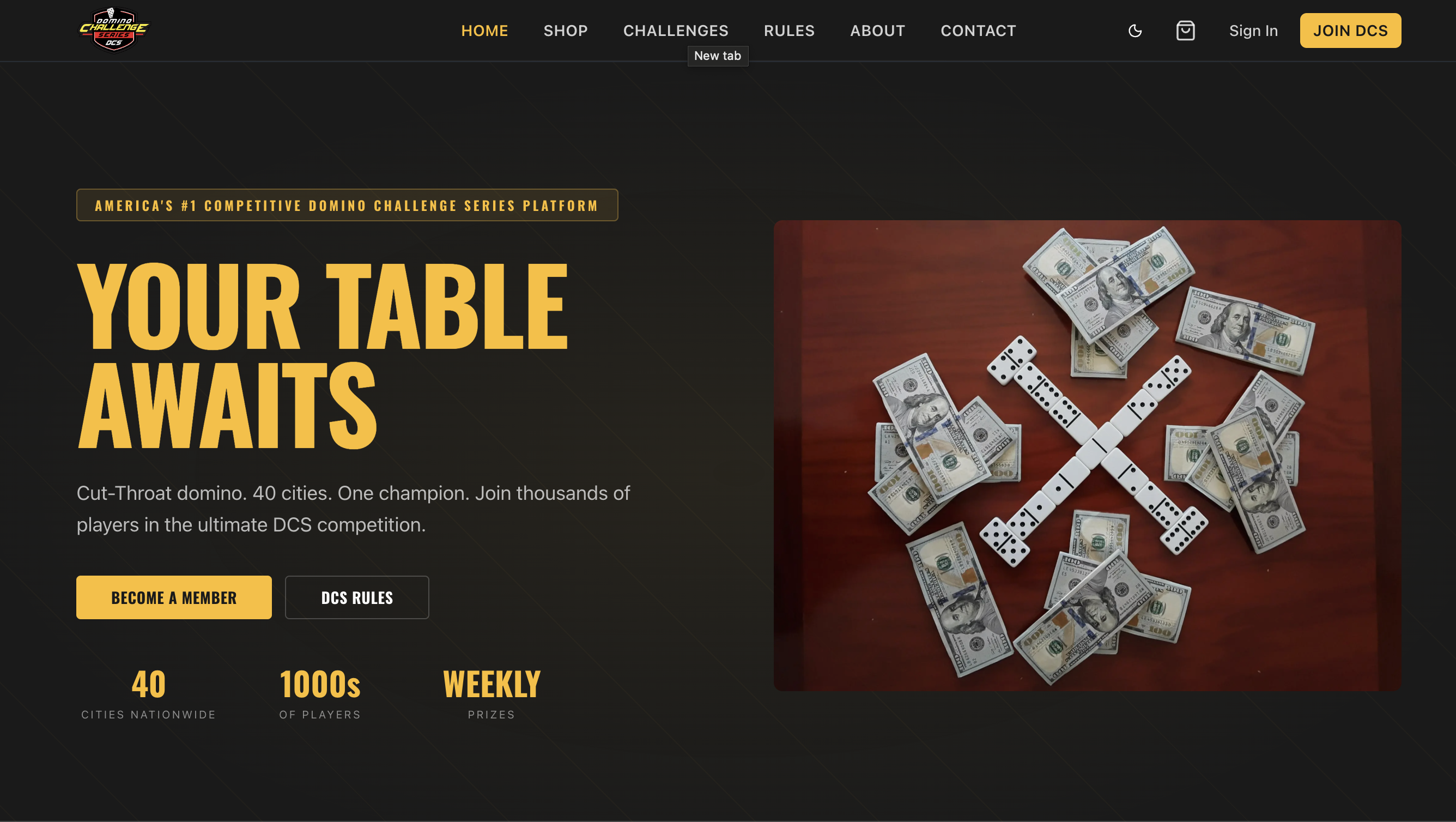
Homepage: competitive positioning and member acquisition
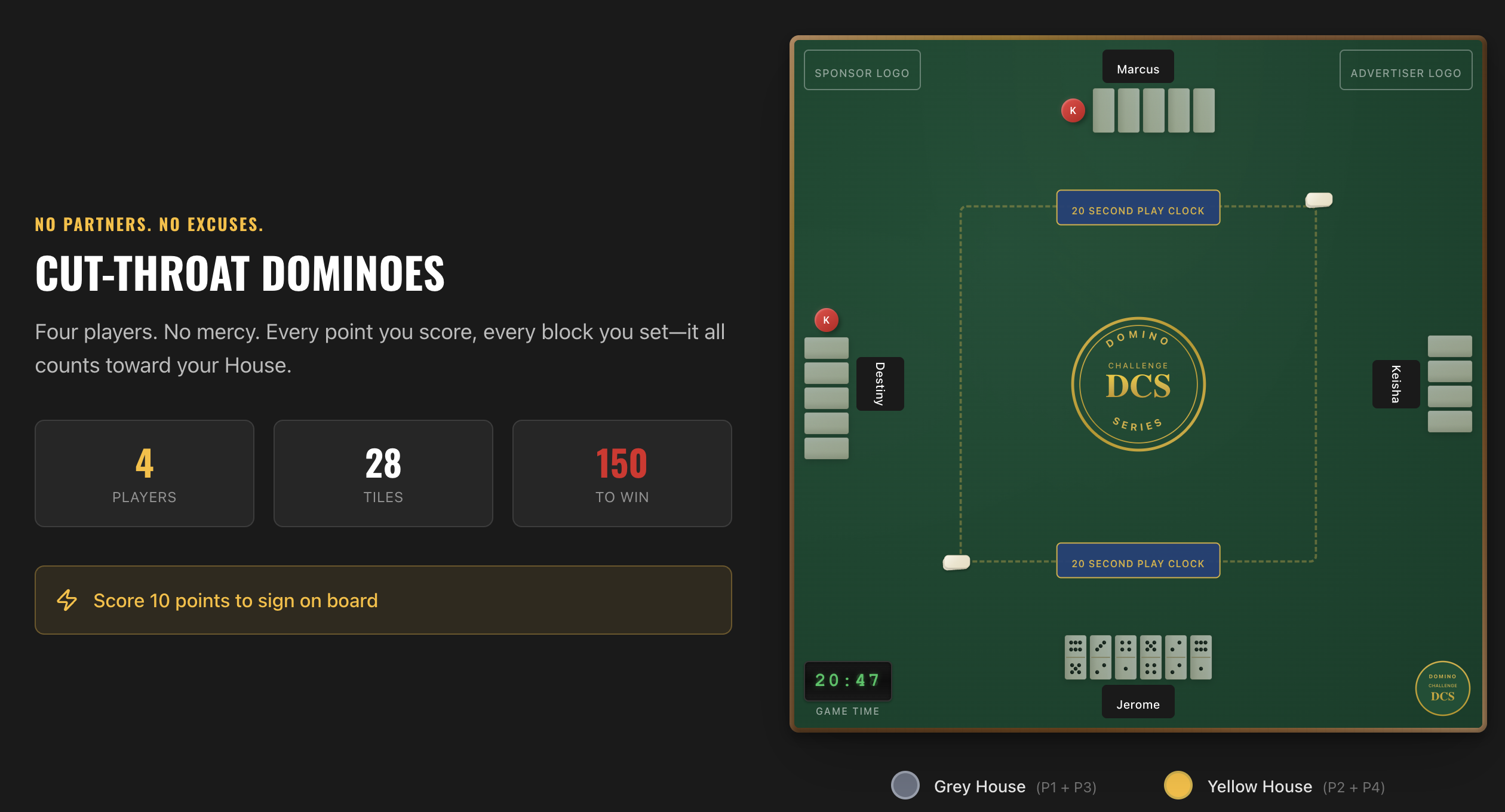
Game table: real-time multiplayer interface
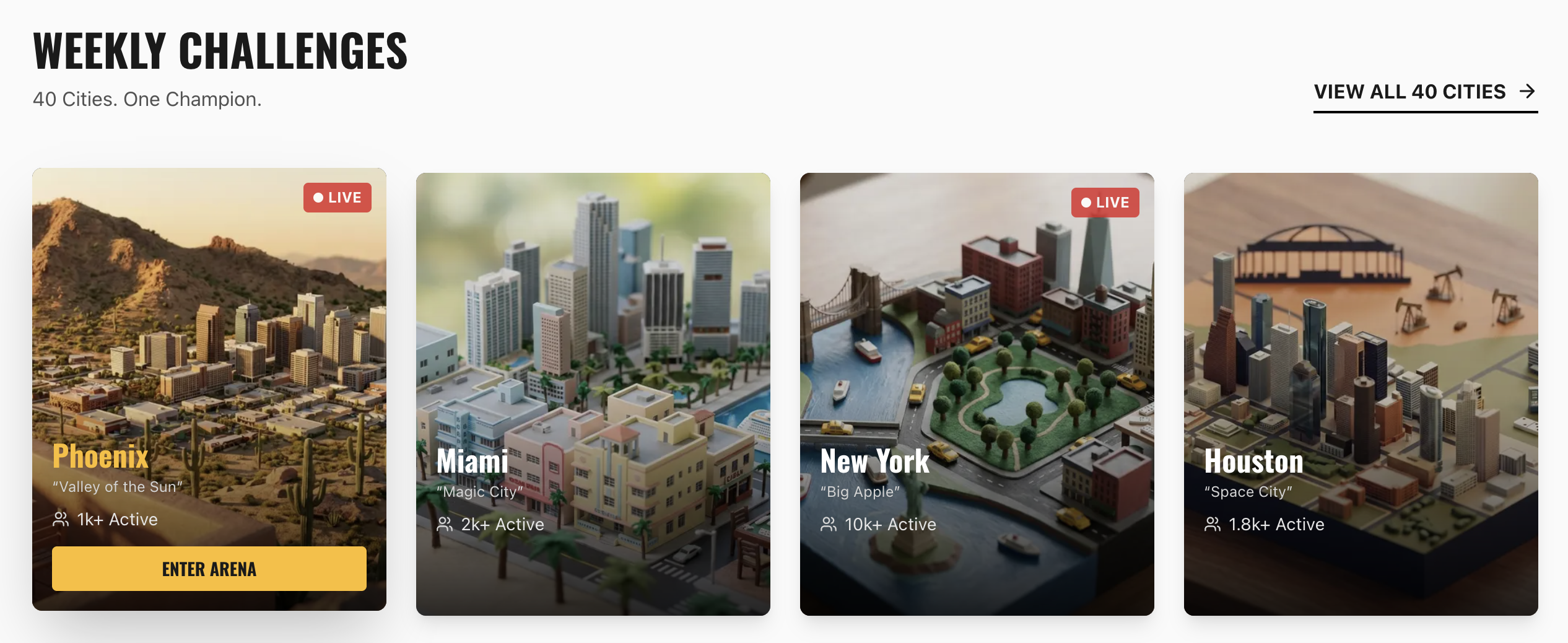
City framework: local arenas and rankings
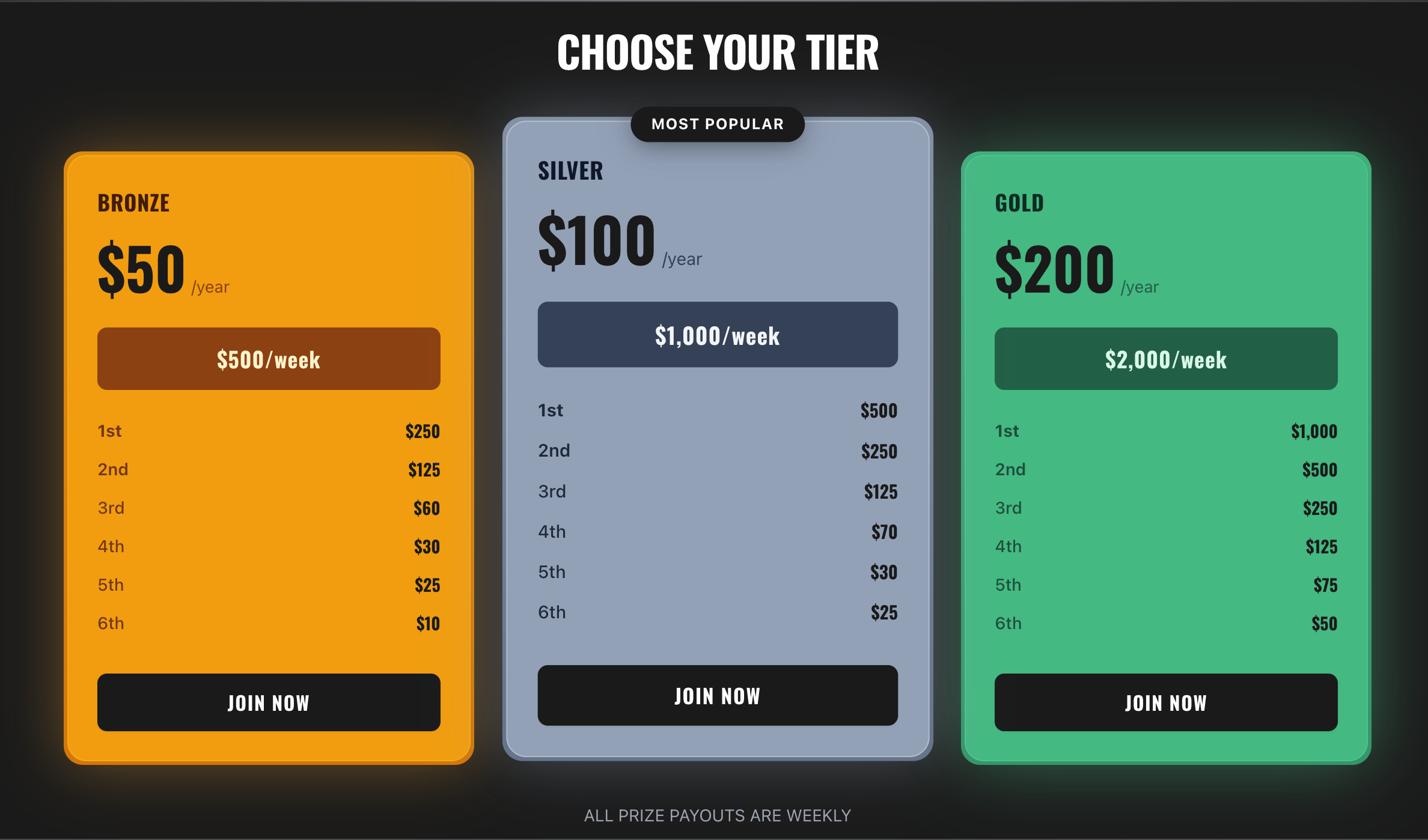
Membership tiers: Domino, Domination, Dominologist
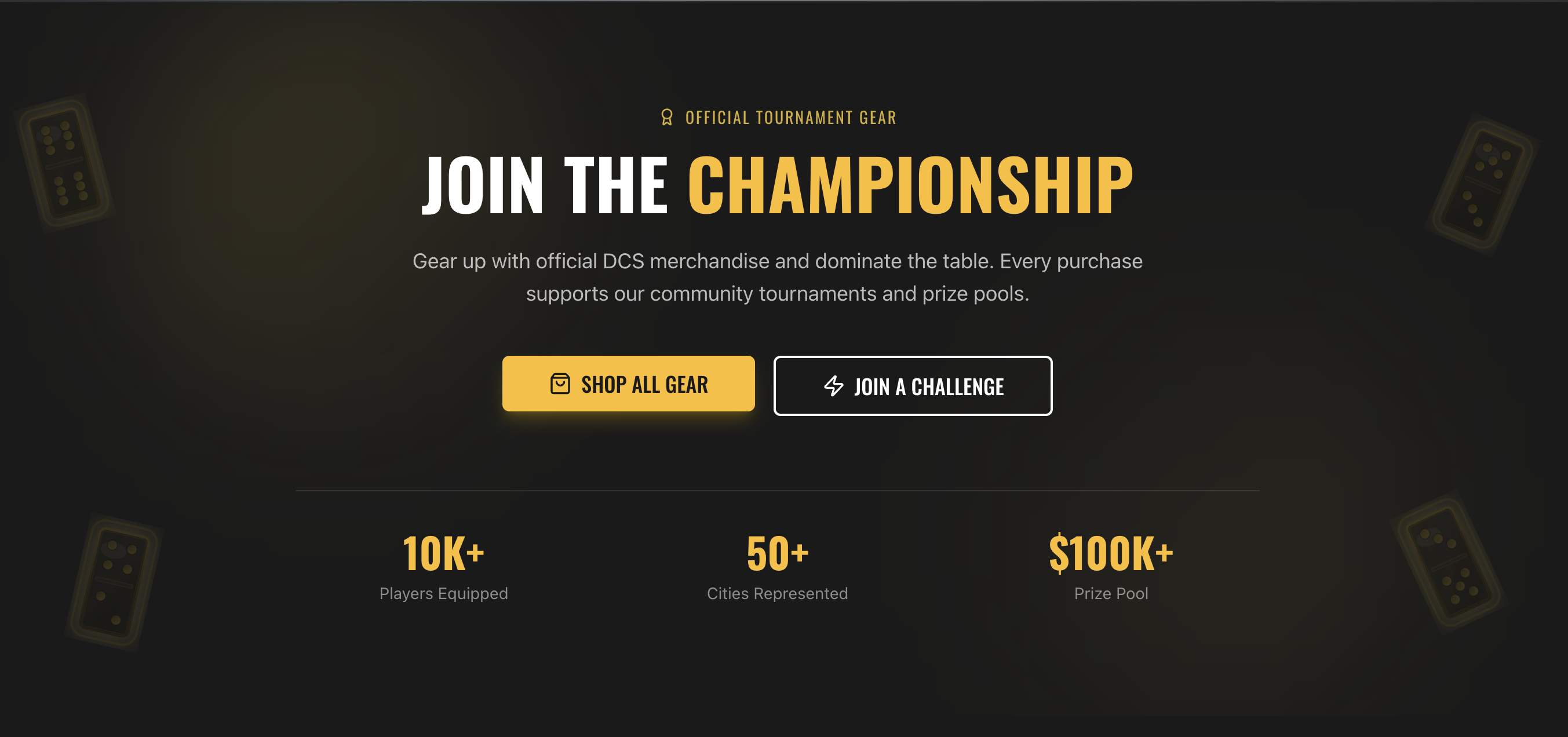
Championship path: weekly challenges to Elite Six and national events
Testimonial
DCS
"The system had to treat gameplay, tournaments, memberships, payouts, rankings, learning, and city growth as one operating model instead of disconnected product features."

NoScope project team
Platform architecture note
Building a real-time platform with stakes
We design the operating layer behind games, marketplaces, communities, and live systems.